“DROP FROM THE FOURTH”: ISLA AND THE QUIET
TRUTH
BEHIND THE NOISE
Julia RennSenior Culture Correspondent
PublishedNov 26, 2025
UpdatedNov 27, 2025
Read Time4 Min
Before meeting her, I knew Isla the way most Australians do. As the impossible metal vocalist whose
voice filled stadiums, broke charts, and spawned think pieces about “female rage in the 21st century.”
But walking into Drop From the Fourth, her first visual art exhibition, I realised
something quickly. I knew almost nothing about her.
The work on the walls was intelligent, deliberate, technically vicious. No chaos. No cliché. No wildness
except the kind you get from someone who survived long enough to sculpt their own story.
So when Isla approached quietly, composed, dark eyed and dry mouthed, I realised my art world
assumptions were showing. And worse. She noticed.
An awkward beginning
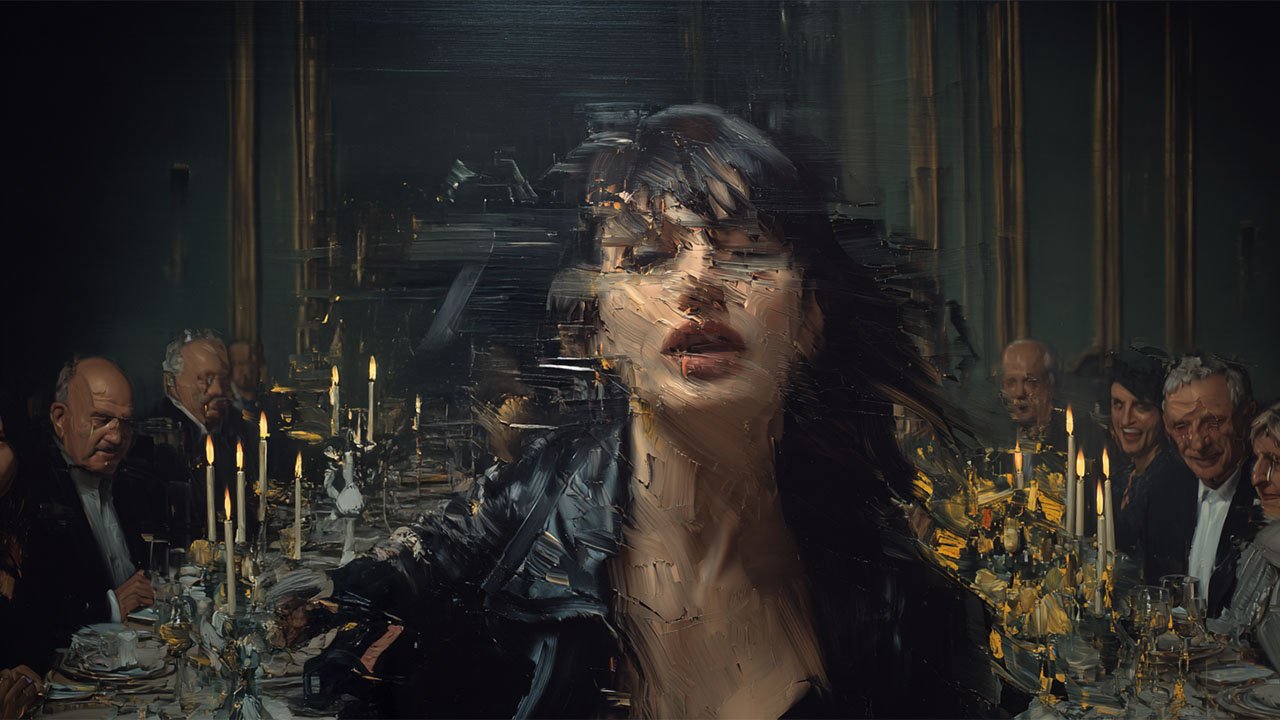
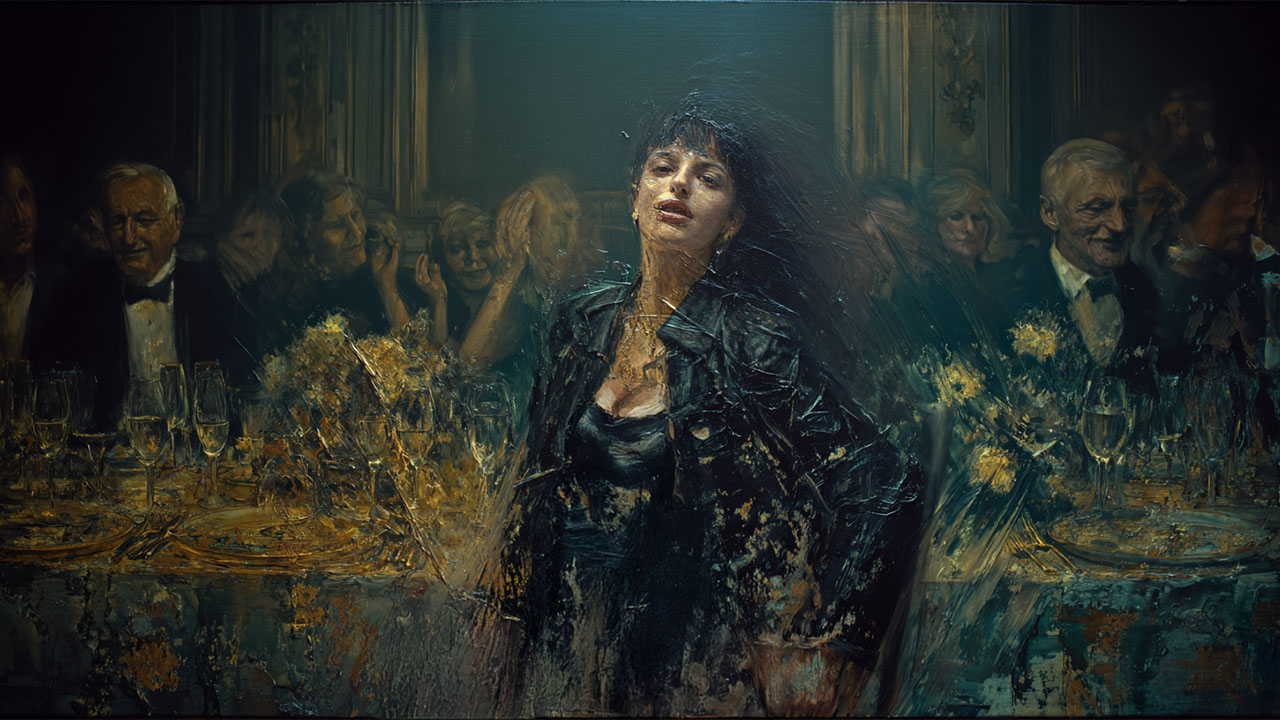
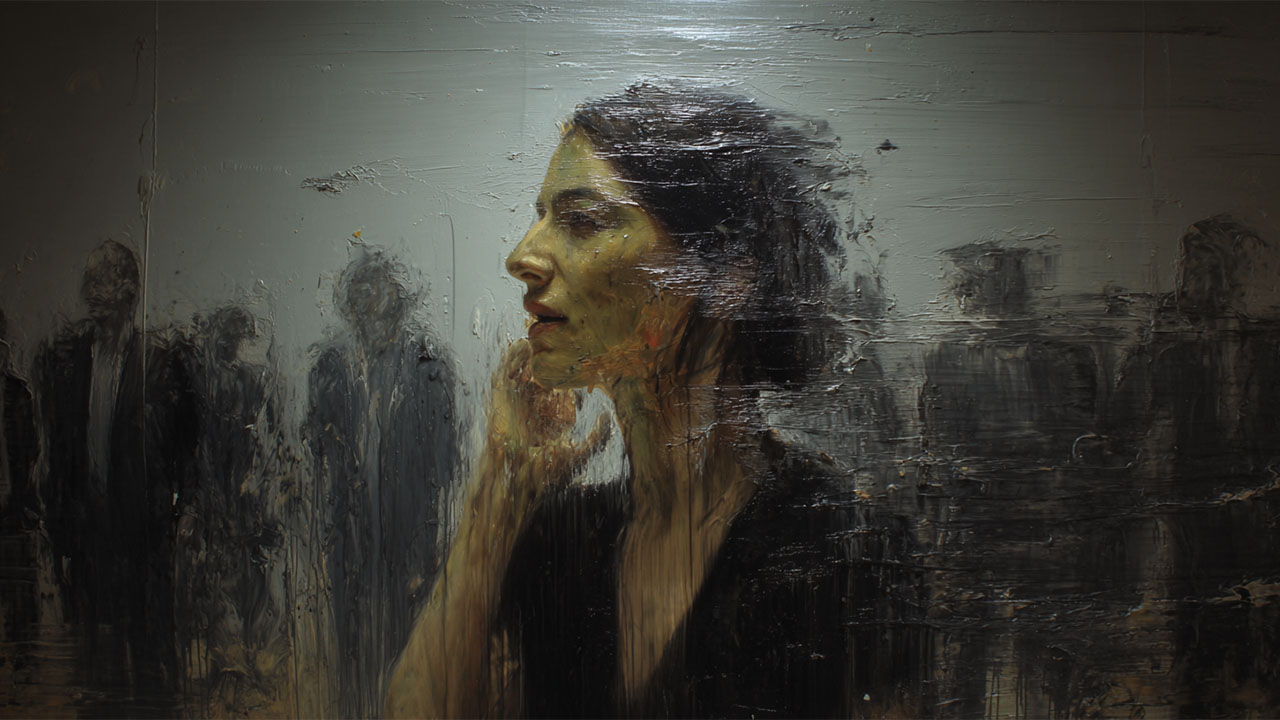
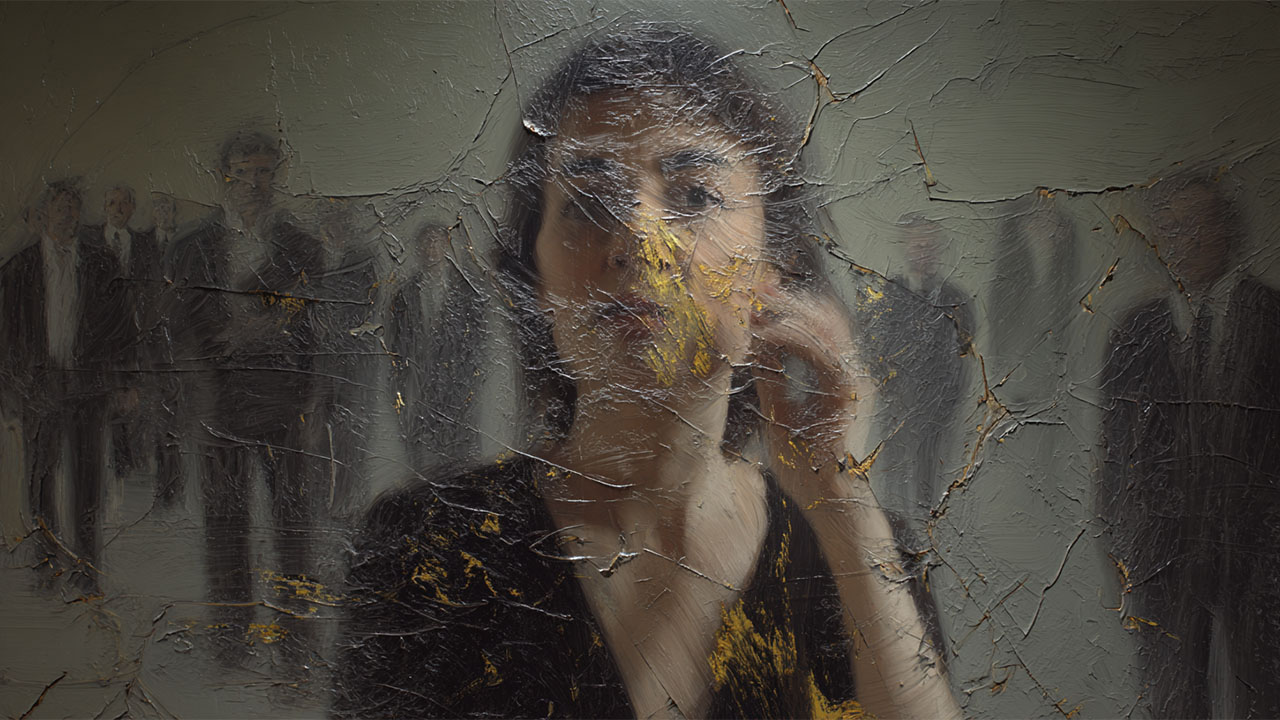
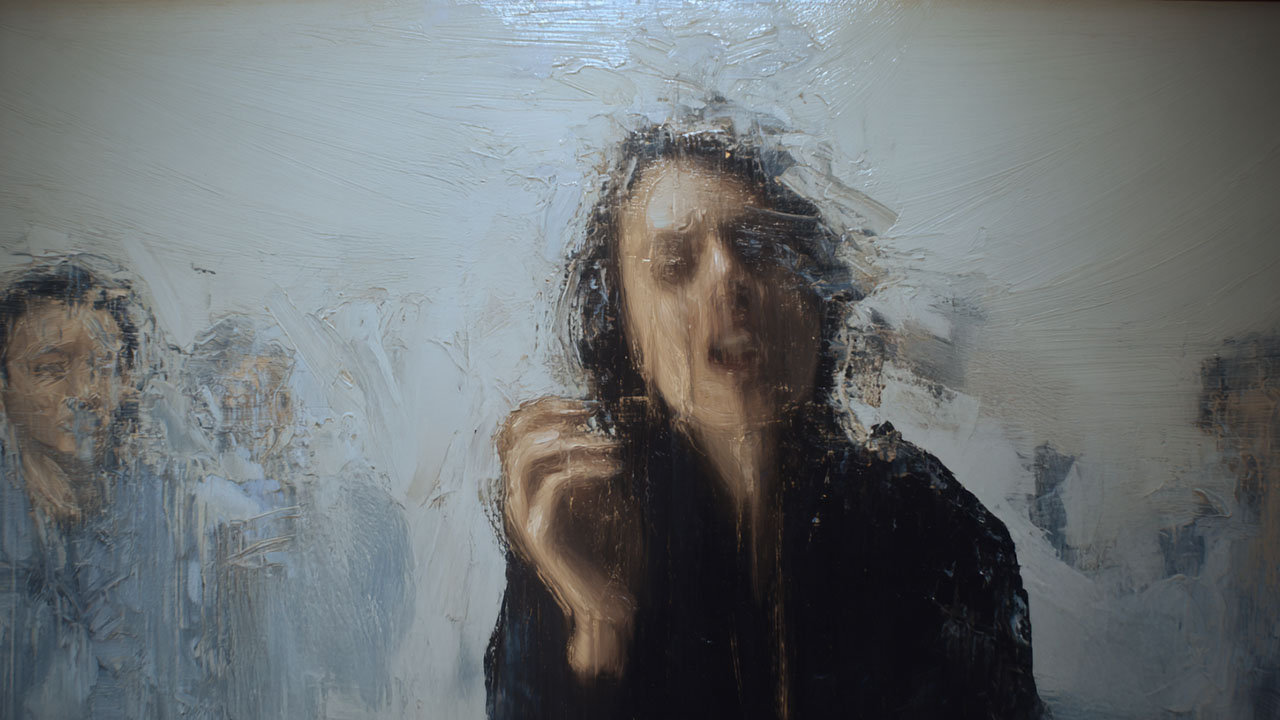
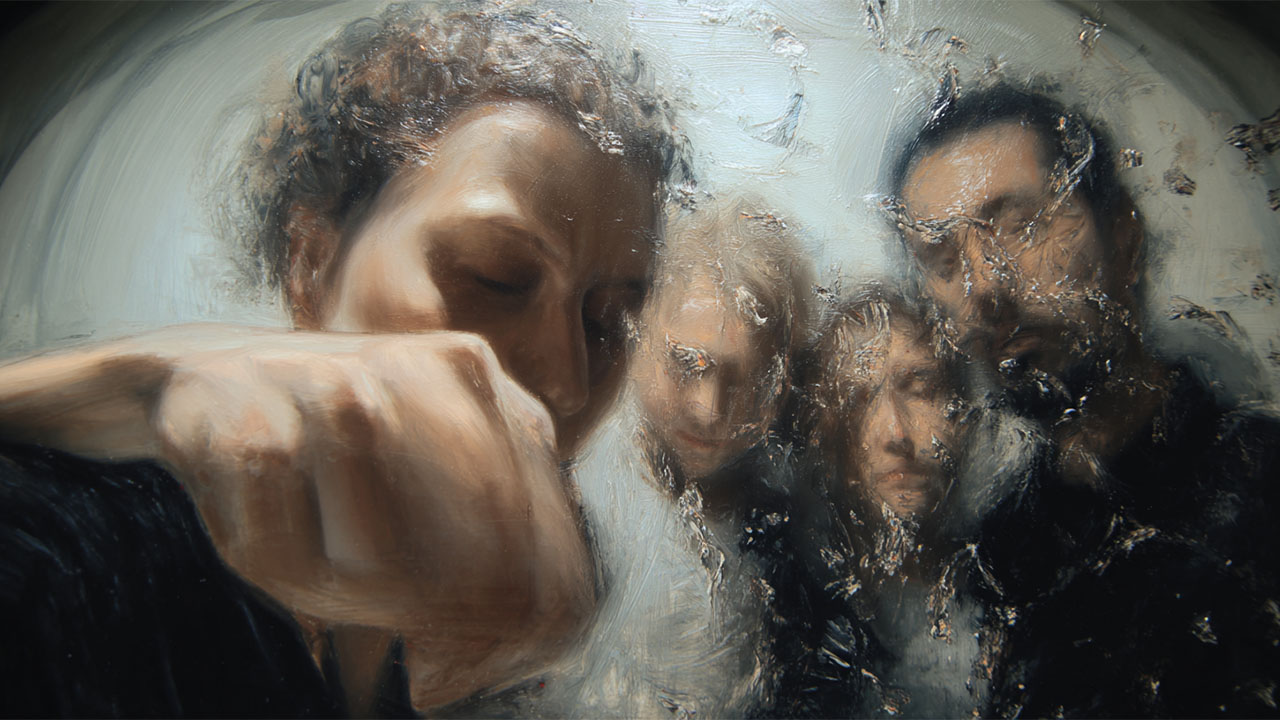
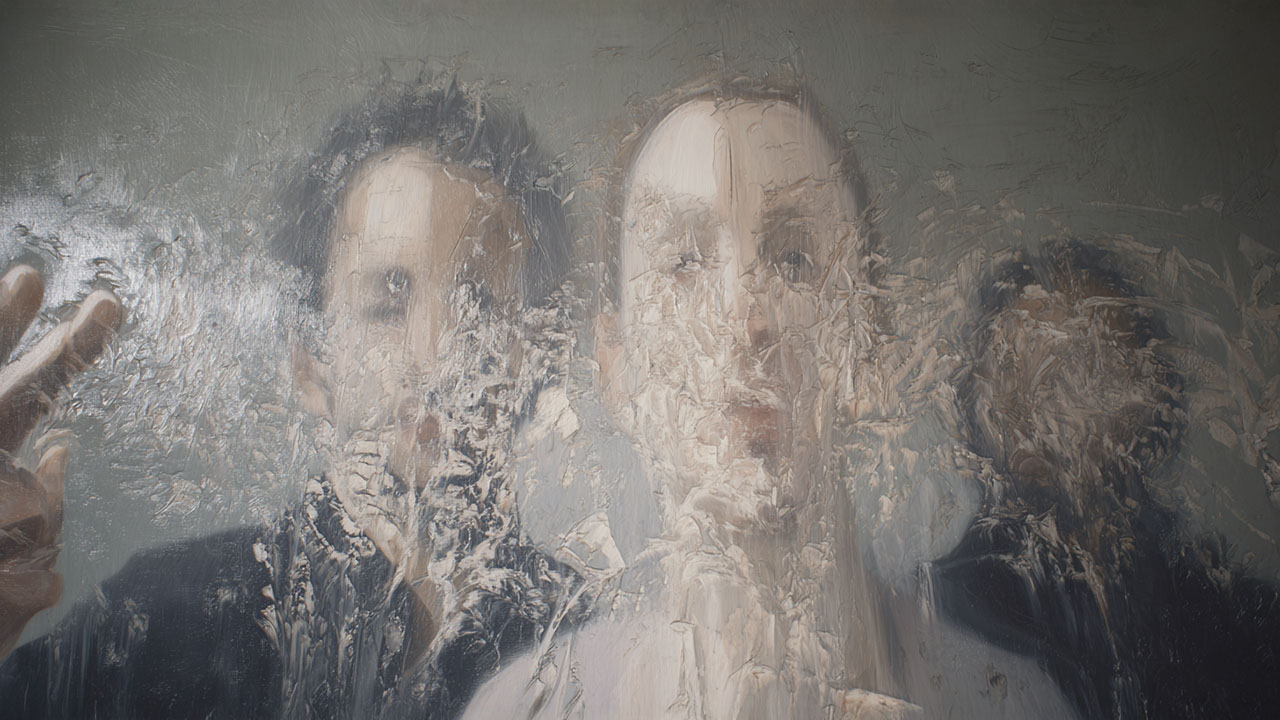
She found me staring too long at a large triptych of blurred faces pressed against a smeared surface,
human forms distorted through thick oil and palette-knife abrasions.
I said something academic about “performative alienation.” She raised an eyebrow.
“Or maybe it’s just three people who didn’t like the artist.”
There it was. The tension. Not hostile. Not combative. Just Isla’s way of saying. Don’t
intellectualise me before you’ve met me.
She gestured to the painting.
“It’s called Burning Bridges. People think it’s about anger. It’s about leaving too late.”
For a moment, I understood precisely how far off the mark my assumptions had been.
A rocker who refuses the rocker script
The deeper we moved into the gallery, the more contradictory Isla became. Her reputation suggests
volatility. The woman in front of me was restrained. Her humour wasn’t loud. it was surgical.
She noticed me scanning her work for familiar narrative patterns.
“You’re looking for trauma in the shape of a guitar solo.”
I started to apologise. She shook her head.
“It’s fine. I know the brand they stuck me with. But I’m not drunk, I’m not self destructive. Not today.
And I’m not a walking cautionary tale. I’m just a person with a lot of feelings I refuse to pretend are
nice.”
That was the first moment I felt the shift. She wasn’t dangerous. She was honest. And honesty is
unsettling in a way chaos never is.
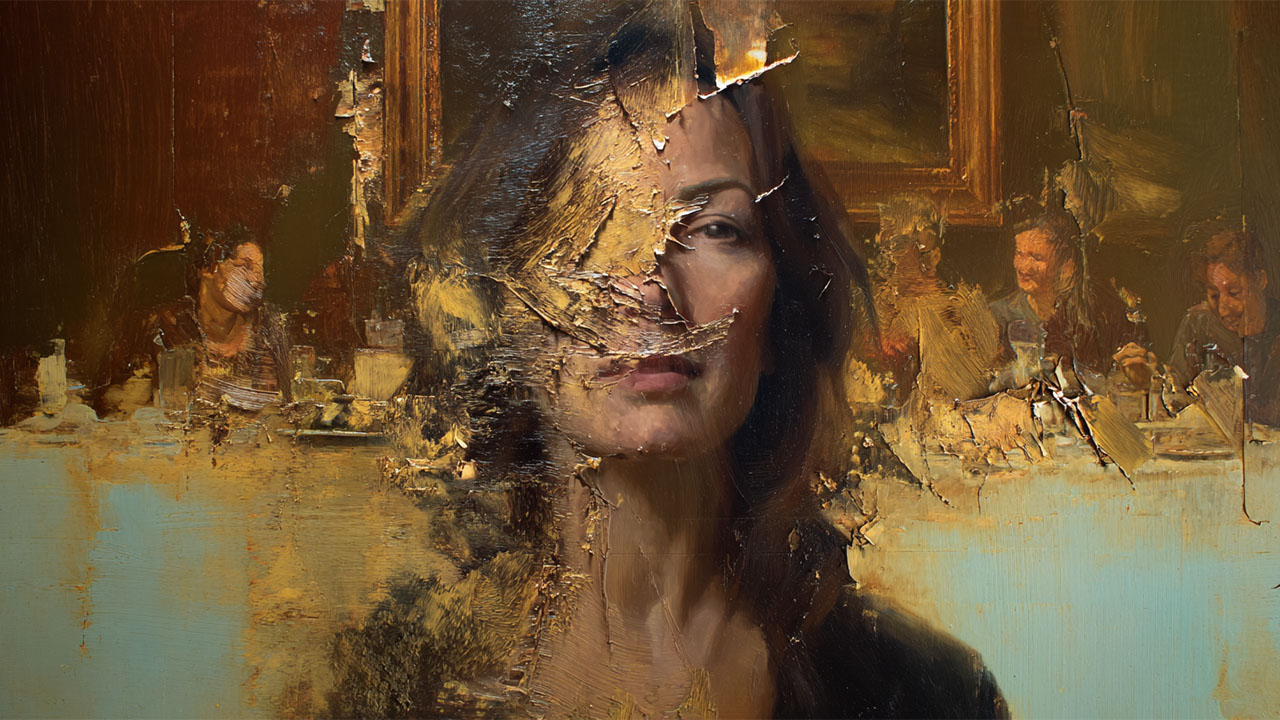
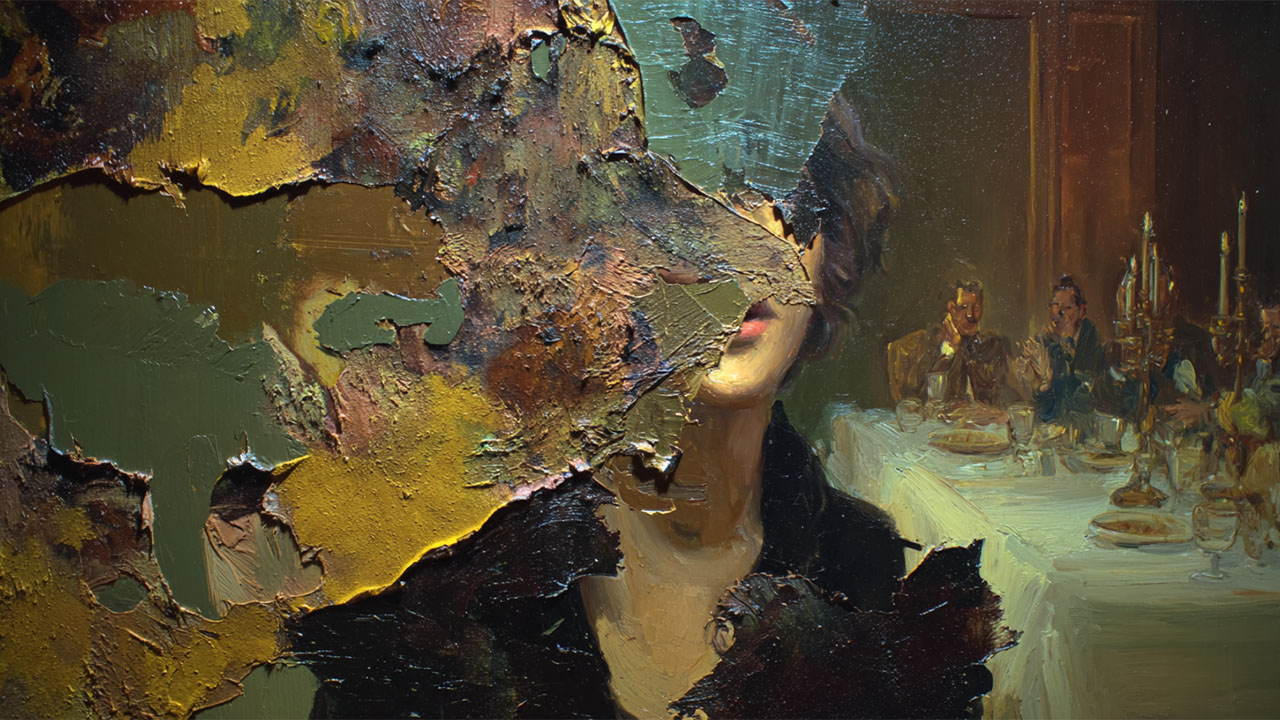
Portraits Broken Fractured 1
AI, slop, and the unexpected depth behind her
philosophy
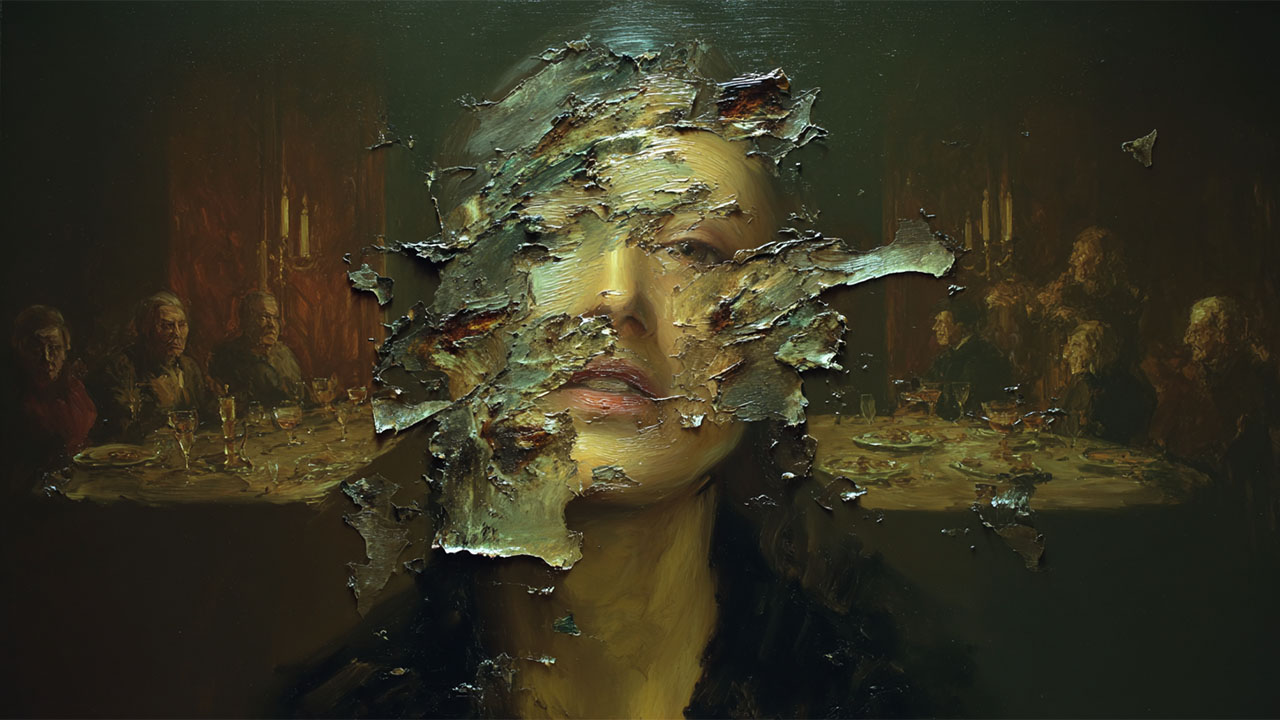
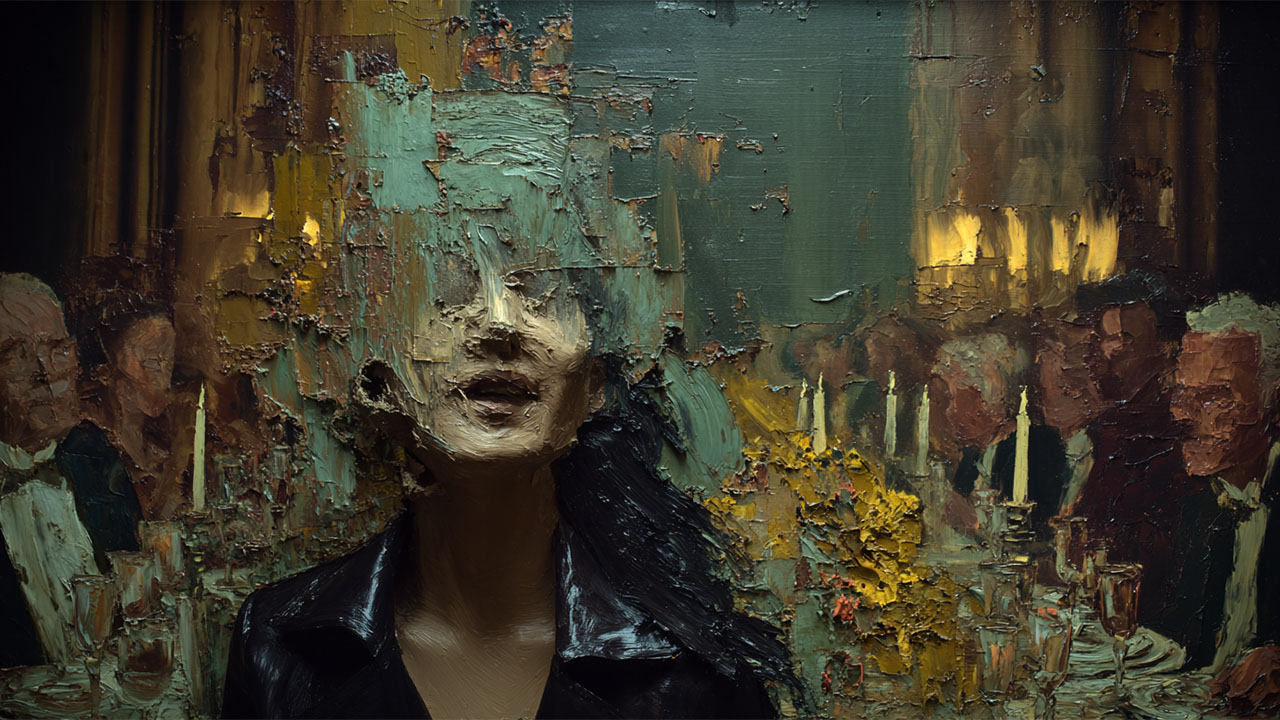
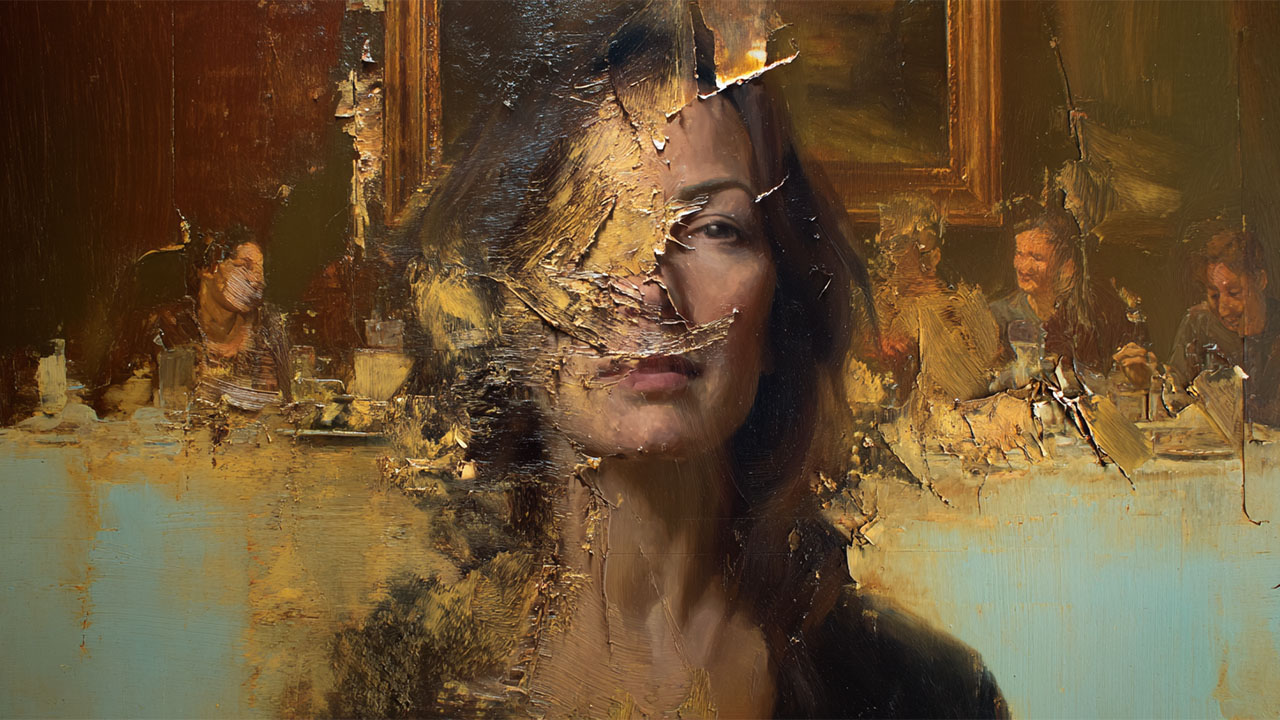
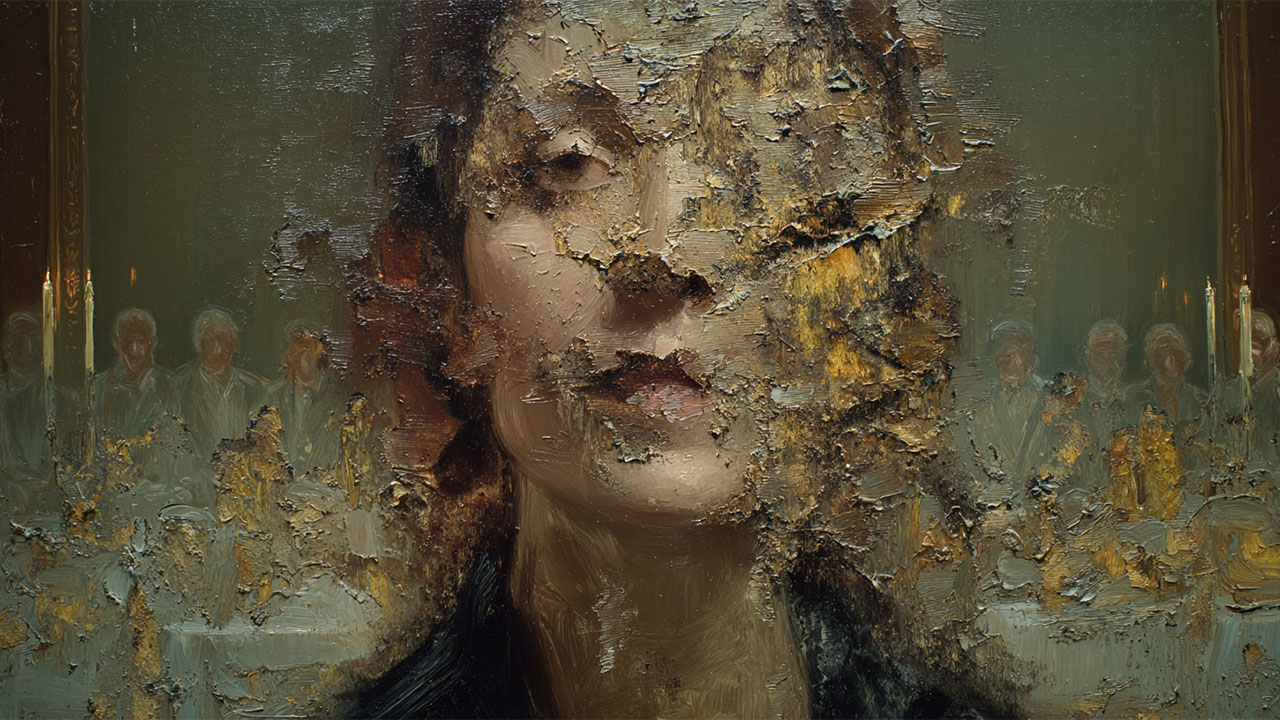
We reached a smaller room where a painting showed Isla’s face worn down by abrasions, oil dragged
until ten expressions lived in one surface.
I like to ask a certain question to all artists. What do they think of AI. The hate if fairly
consistent. Isla was direct.
“Everyone expects me to hate AI.”
It was not what I expected her to say. She folded her arms, thinking aloud, not
performing.
"AI isn’t neutral. It mirrors you back. That’s the part people don’t get.”
"It does the bell curve centre very well but it's not going to give you something unique. Not
yet. It doesn't get crazy in the real world.”
"And those companies... they are doing what they've always done. They take market share first
and settle lawsuits later".
She continued:
"In the mean time we've got systems that mimic us.. but there will be people making
amazing art with it soon. The oddballs. The early adopters."
She stepped closer to the painting.
“But slop? People can't differentiate slop from art when its new and different. Sure - those
messy, misaligned outputs everyone mocks? Its slop.”
A subtle smile.
“Slop is compost in the right hands.”
Then, more pointedly:
“People call my early music trauma spew. Too ugly. Too raw. Not polished. It was called slop. But I knew
it wasn't. And my art isn't for everyone. Some people need to hate it. That's part of the art form. My
art isn’t meant to soothe. It’s meant to relay what the world refuses to acknowledge.”
I told her that sounded harsher than most artists allow themselves to admit. She replied softly:
“If you witness something terrible and then go back to work the next day and
everyone pretends the world didn’t just split open inside you? That silence is the trauma. I make
things for the people who live in that silence.”
And with that, the tension between us dissolved, not because she convinced me, but because she revealed
the version of herself that fame obscured.
That sculpture.
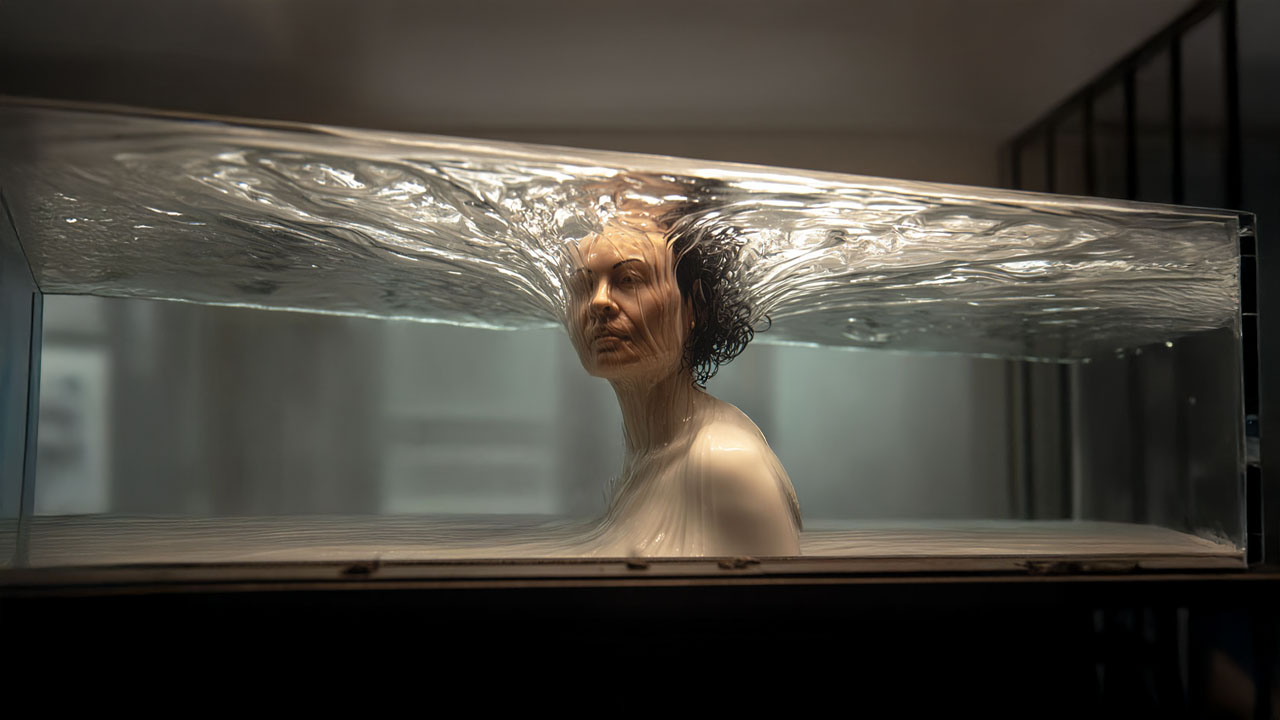
The emotional centre of the exhibition is a resin piece. A woman suspended, drowning, hair drifting,
eyes closed in a breath that will never finish. I approached it cautiously. Isla kept her eyes on
me.
I asked who the woman was. She was direct. “My mother.” Then a slight. “She
was an anesthetist. Jailed for malpractice.”
A mother memory under water - sculpture
Survival
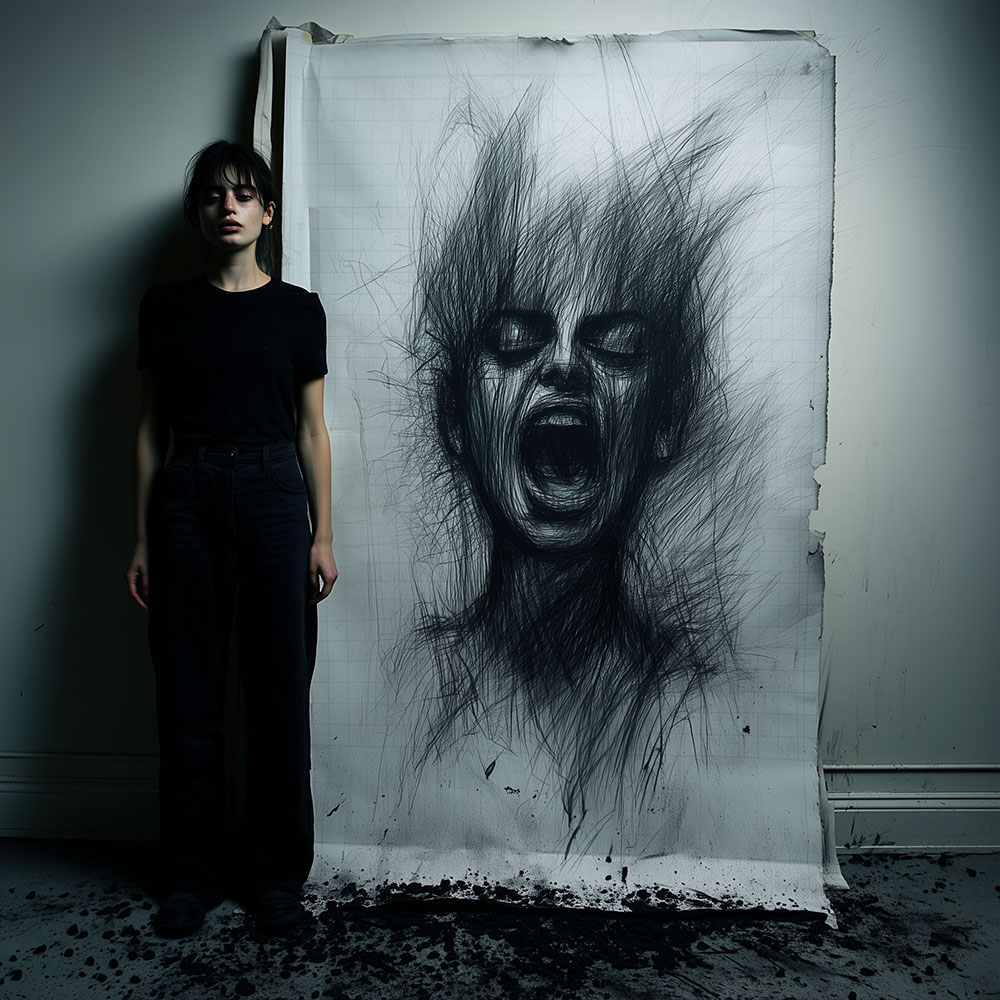
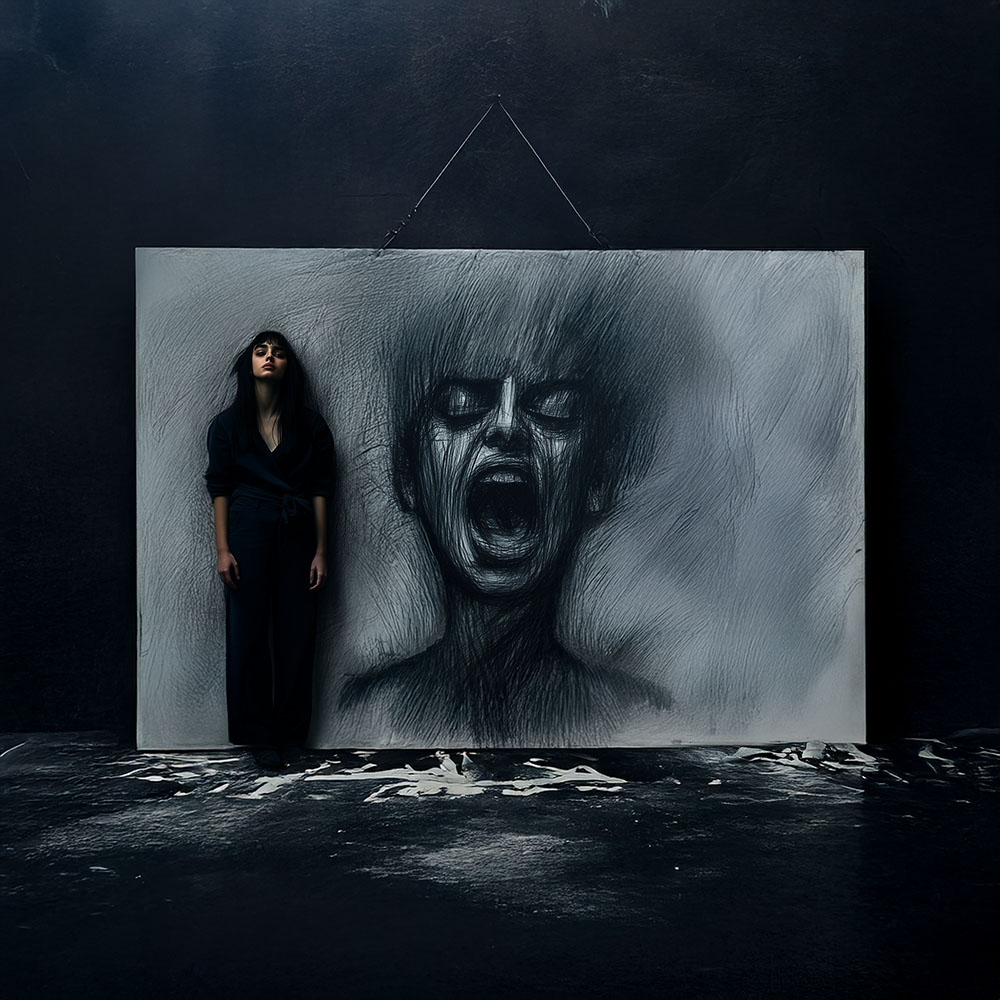
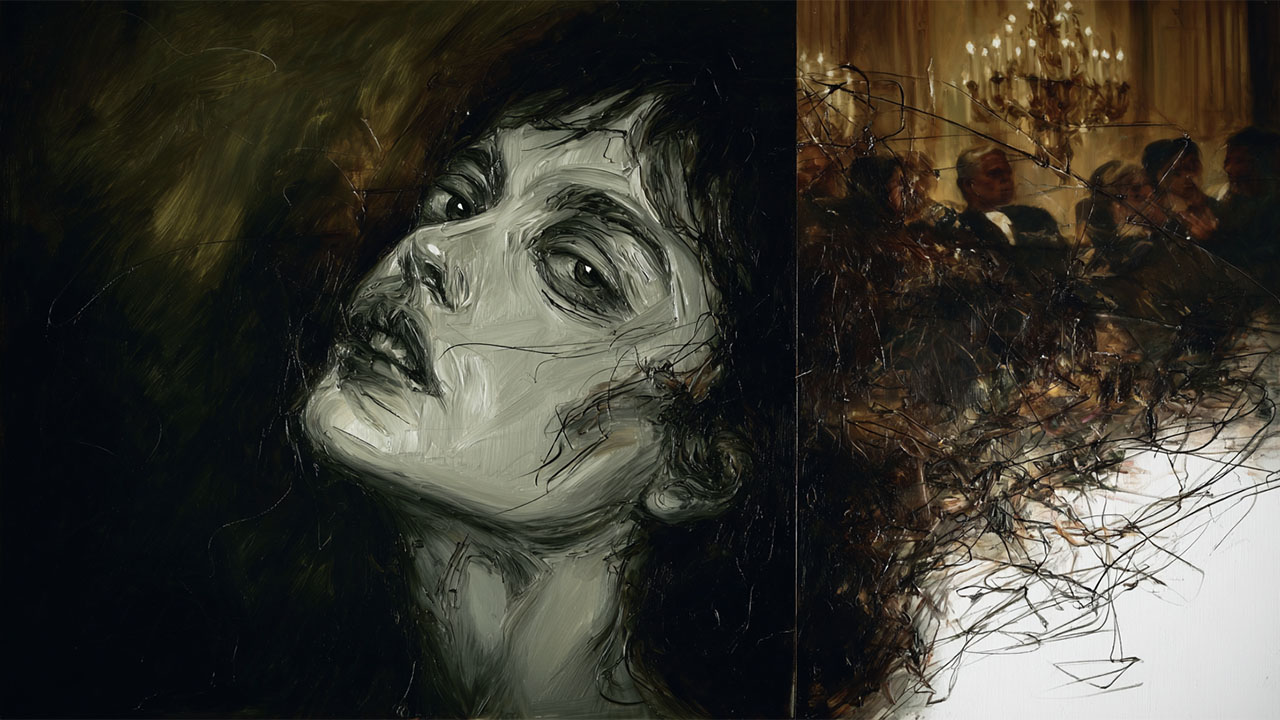
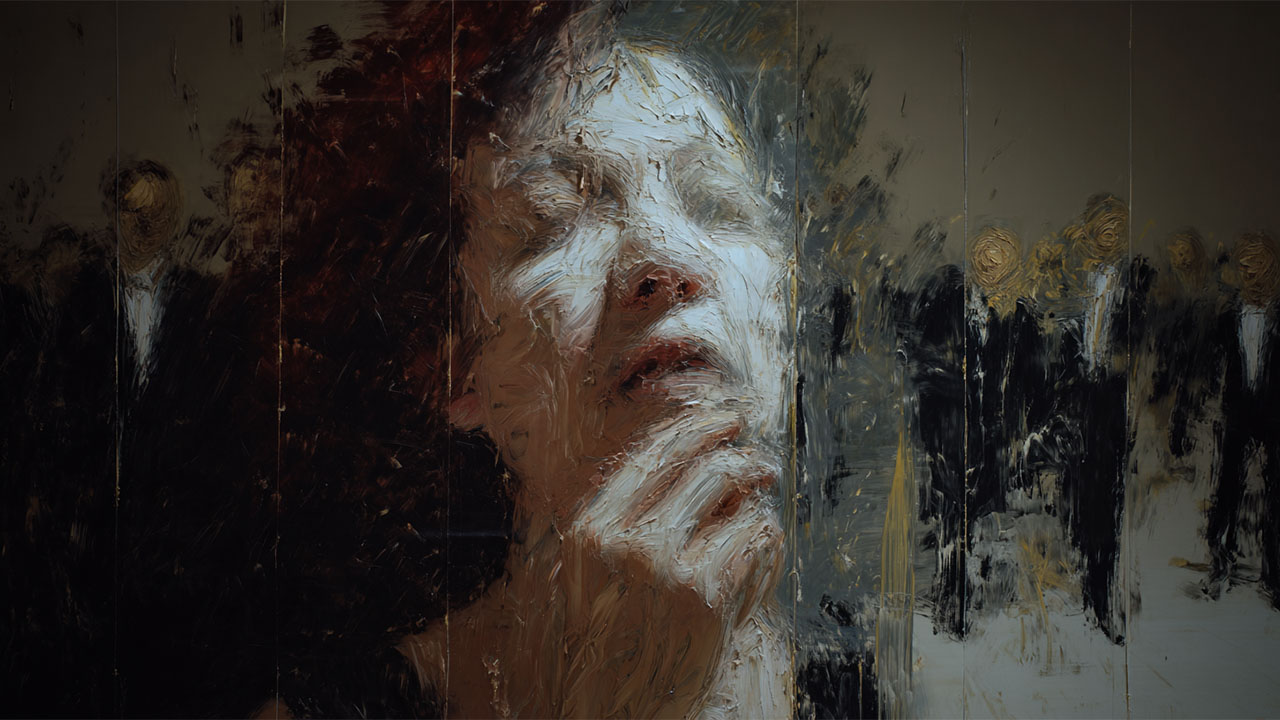
Toward the far wall hung a photograph of Isla next to a screaming face. The exhibition’s title
finally made sense.
“It almost happened,” she said. “Then it didn’t. And now it’s a drawing. Next to me.”
She didn’t dramatise it. She didn’t perform vulnerability. She simply acknowledged a past
decision like one acknowledges an intersection they once nearly missed. And this, more than the
scream portraits, the distorted faces, the drowning resin, was the moment the entire show
clicked into place.
Isla is someone who survived long enough to tell us something.
Isla - A drop from the fourth - graphite on paper
Leaving the gallery
At the exit, I asked her one last question, The obvious one. “What do you want people to take from
this?”
She gave a tired half smile.
“Make something. Even if it’s wrong. Even if it’s too much. Even
if it’s slop.”
A pause.
“Especially if it’s slop. That’s your reflection.”
Then she walked away. Quiet as she arrived.
The Collection
Exhibition Catalogue:
2025
Drop From The Fourth (Graphite)
Portraits Broken Fractured 3
Polished Wedding Vomit 3
Polished Wedding Vomit 4
Polished Wedding Vomit 5
Polished Wedding Vomit 6
Polished Wedding Vomit 7
Portraits Broken Fractured 4
Portraits Broken Fractured 5
Portraits Broken Fractured 6
Bridge on fire
Leaving the stage
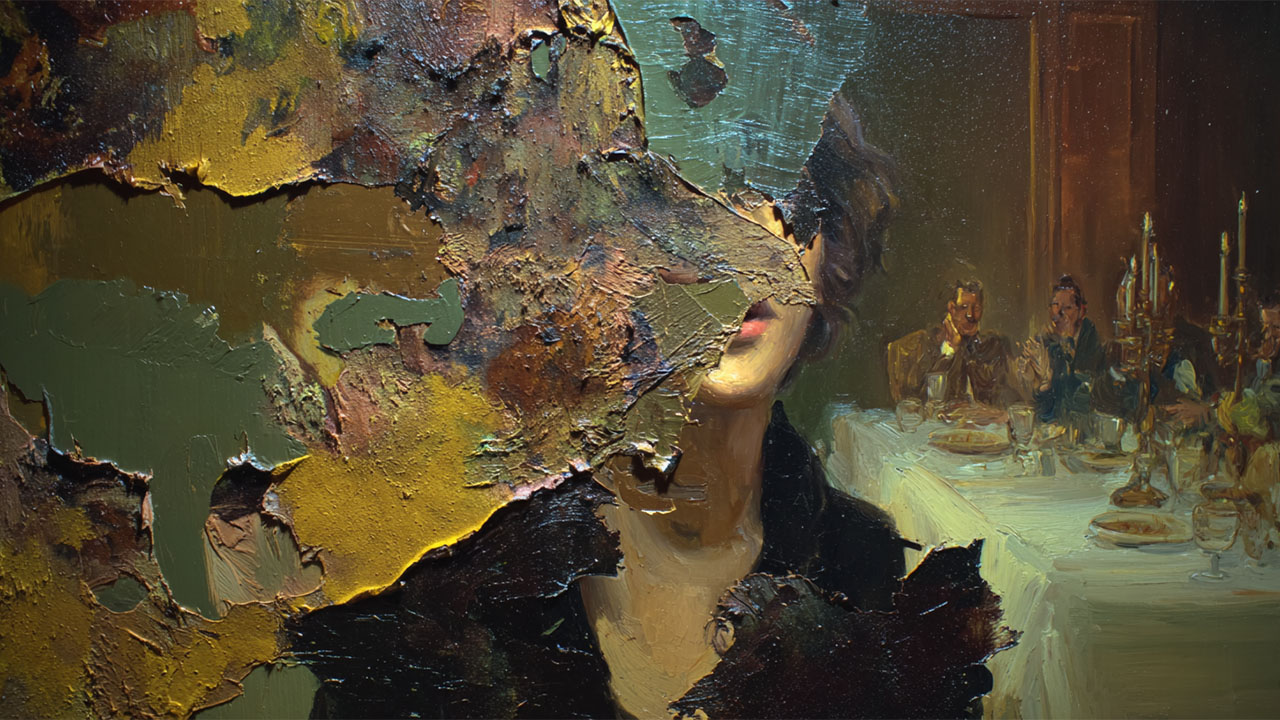
Fracturing Wedding Bells
Split
Bridge Punch
Scratched Surface
Ethel & Isla are characters from PixelStortion's fictional crime drama series. Their world is adjacent to ours.
Dates are accurate.
Pixelstortion has the goal of producing Adjacent Realities. Immersive narrative ecosystems that
operate with the complexity and consequence of the real world.